



For decades, healthcare systems worldwide have grappled with a persistent dilemma: providing accessible, high-quality care in the face of rising costs, ageing populations and unpredictable crises. Traditional methods, such as simply building more hospitals or upgrading existing infrastructure, haven’t kept pace with these rapidly evolving needs, resulting in overstretched resources and, in turn, limited access to services. This mounting pressure is forcing policymakers, providers and investors to rethink healthcare delivery. To address these challenges, many companies are turning to an increasing number of innovative solutions. One approach is the public-private partnership (PPP): collaborations that move the industry beyond bricks and mortar. Nowhere is this transformation more evident than in Turkey, where investment and construction leaders have partnered with the public sector, sparking a new era of healthcare innovation. “PPP financing presents significant challenges, including the need to balance risks fairly, navigate complex negotiations, and manage uncertainty around long-term revenues. However, they also offer a powerful means for the region to unlock the substantial investments required to transform its healthcare systems,” says Elisabetta Falcetti, European Bank for Reconstruction and Development, Managing Director for Turkey and the Caucasus.
PPPs bring together private-sector expertise and public-sector oversight in ways that can support more efficient project delivery, enhance quality, and share risks more effectively. When structured well, they have the potential to contribute to more resilient, cost-conscious and patient-focused healthcare systems. As Erman Ilıcak, founder and President Emeritus of Rönesans Holding, a Turkey-based investment company, says, “We’re seeing a fundamental shift in how we approach healthcare infrastructure. The goal is no longer just to build, but to create adaptive systems that can serve communities for generations to come.”
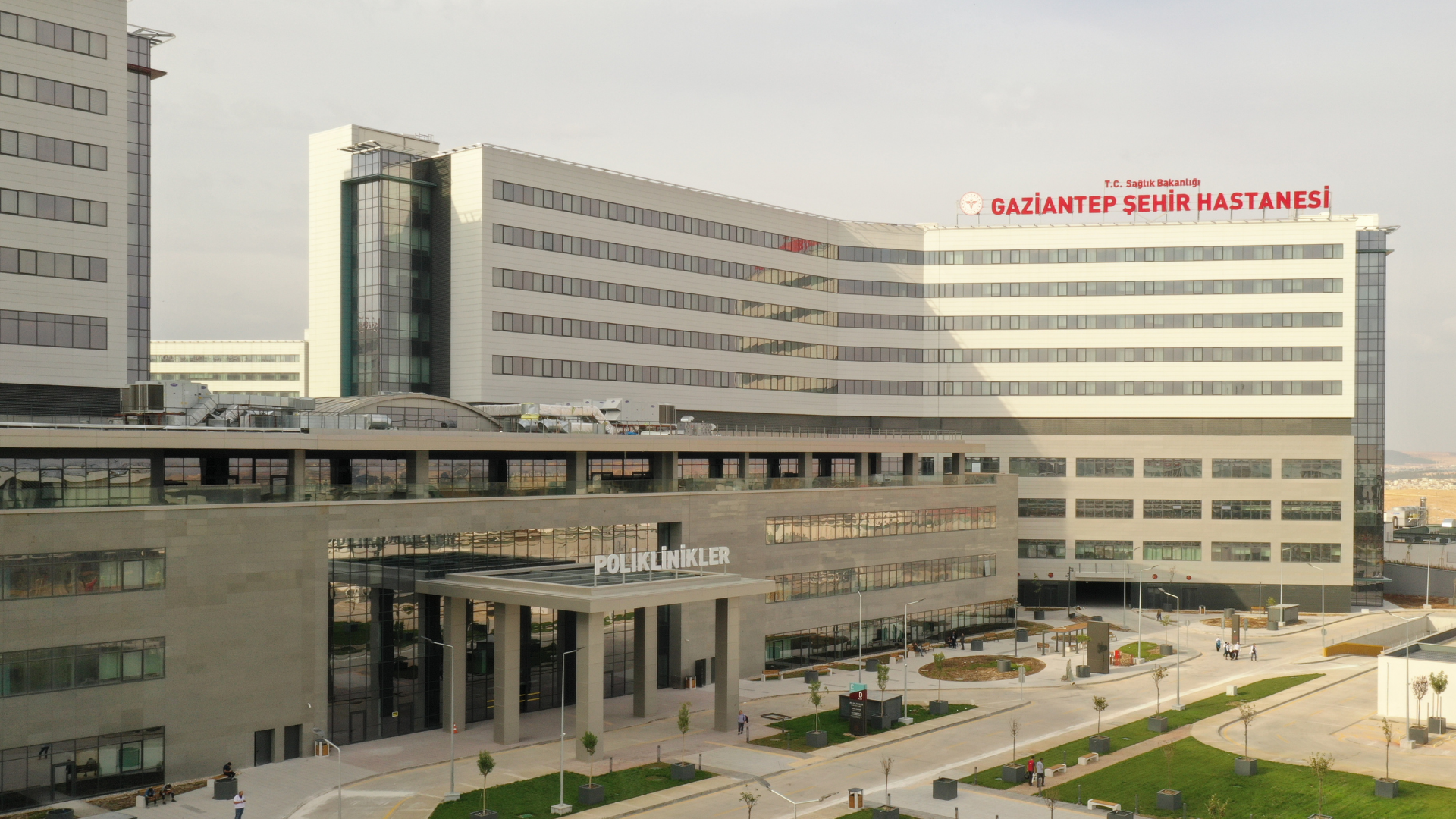
Gaziantep City Hospital, delivered by Rönesans in Partnership with Meridiam and Samsung C&T
Instead of focusing simply on increasing bed numbers, policymakers and their private sector partners wanted to address broader systemic needs such as digital transformation, flexible facility design and operational efficiency. By deploying digital tools for patient management, designing flexible spaces, and embedding operational best practices, this approach has demonstrated that PPPs can achieve economies of scale and improve healthcare access.
Since the inception of the PPP programme in Turkey, the proportion of qualified hospital beds has risen from 6 per cent in 2002 to 82 per cent today. Additionally, 18 city hospitals have been delivered through PPPs in a timeframe approximately four times faster than the Ministry’s standard hospital construction process, providing significantly higher-quality healthcare facilities.
This was tested during both the Covid-19 pandemic and recent earthquakes, with PPP-built hospitals playing a vital role in maintaining access to advanced care when it mattered most.
“It’s this blend of public ambition and private sector agility that allows for fresh solutions like advanced seismic isolation, ensuring that critical infrastructure remains operational when it’s needed most. “
Through PPPs, inefficient and scattered hospitals have been consolidated, and multiple hospitals have been merged into single, integrated campuses. This has enabled citizens to receive proper and consistent services, while also streamlining operations through innovative technologies and processes. Turkey’s healthcare infrastructure transformation is a testament to an evolved framework.
Collaboration at the core of innovation
Key to the evolution of Turkey’s healthcare system has been a willingness to look outward for expertise and financing. By collaborating with global financial institutions and technical experts, Turkey set new benchmarks for hospital safety and operational efficiency. “The most successful PPPs are built on a foundation of mutual trust and a shared vision,” says Ilıcak. “When public and private sectors align their goals, they can achieve outcomes that would be impossible alone.”A prime example is the Başakşehir Çam & Sakura Hospital in Istanbul. Delivered by Rönesans in partnership with Japanese conglomerate Sojitz, it was recognised at the time of its opening in 2020 as the largest seismically isolated building in the world, a symbol of how PPPs can deliver resilience in regions prone to natural disasters. “Projects of this magnitude, which push the boundaries of engineering, require a unique synergy,” says Ilıcak. “It’s this blend of public ambition and private sector agility that allows for fresh solutions like advanced seismic isolation, ensuring that critical infrastructure remains operational when it’s needed most.”

Başakşehir Çam & Sakura Hospital in Istanbul, delivered by Rönesans in partnership with the Japanese conglomerate Sojitz

Başakşehir Çam & Sakura Hospital in Istanbul, delivered by Rönesans in partnership with the Japanese conglomerate Sojitz
Knowledge transfer and lasting impact
The influence of this collaborative model is now being felt internationally. Having delivered six city hospitals with a combined capacity of around 9,000 beds and serving large patient volumes in Turkey since 2016, Rönesans Holding now contributes expertise to projects in other countries, including the first healthcare PPP to reach financial close in Kazakhstan.
Central Asia’s first PPP healthcare project, the Kokshetau Hospital in Kazakhstan, developed by Rönesans
This cross-border knowledge transfer demonstrates that meaningful progress arises through shared learning, as public and private sectors from different countries work collaboratively to tailor solutions to local needs.
Towards a more resilient healthcare future
As PPPs continue to take root across borders, their role is evolving from simply adding infrastructure to finding new ways to deliver care. In Turkey, this vision has led to hospital projects that embrace leading-edge standards for efficiency and patient wellbeing. Recognition for innovative aspects, including award-winning technology integration and operational processes – as recognised by industry bodies such as ENR and the MIPIM Awards – underscores the PPP model’s role in shaping a more resilient healthcare future.
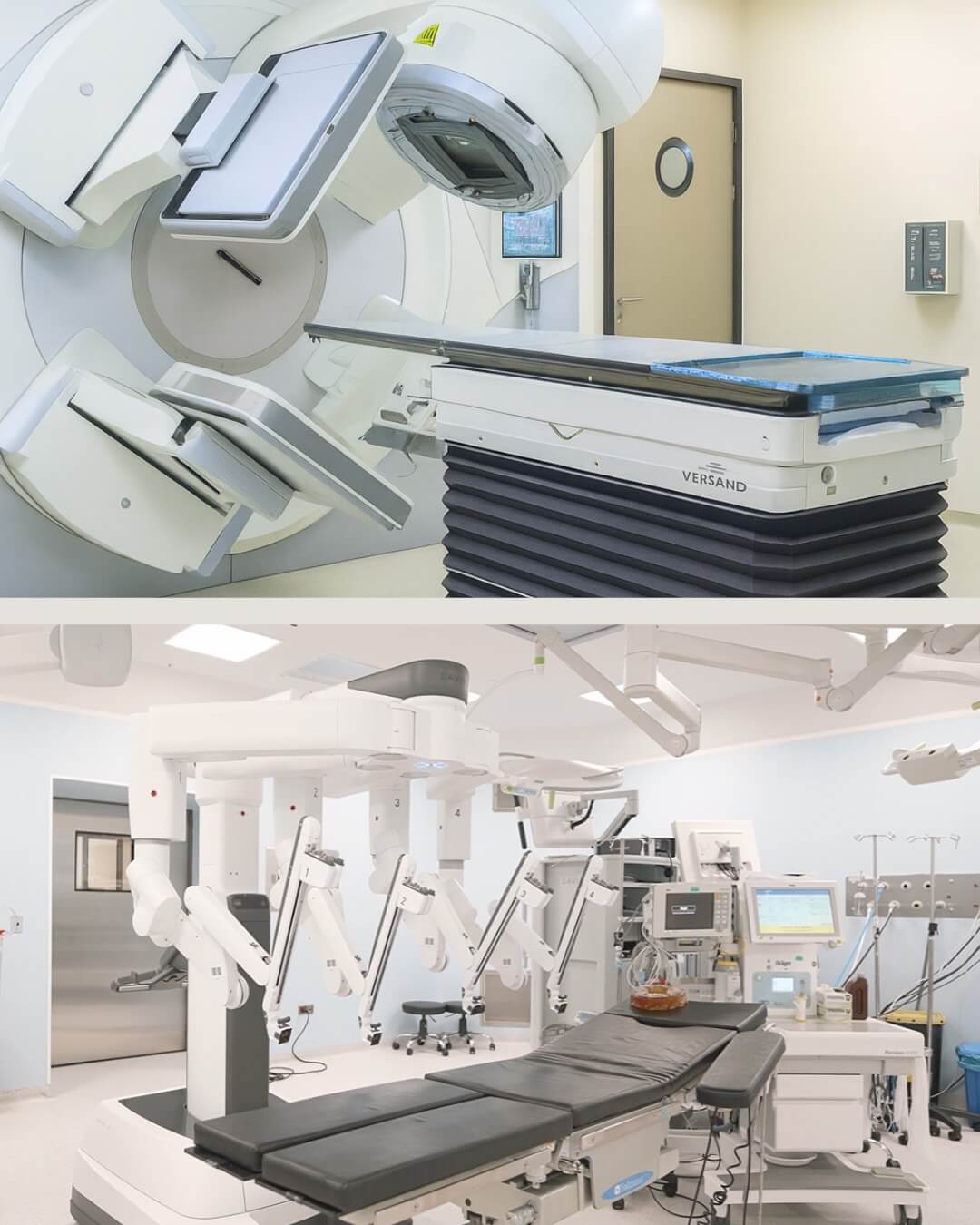
Advanced medical technologies delivered across multiple city hospitals developed by Rönesans
Source: Financial Times, “Scaling healthcare resilience through public-private partnerships
” — https://www.ft.com/content/9d8a96a9-d10d-4332-962f-3c679e54efd1