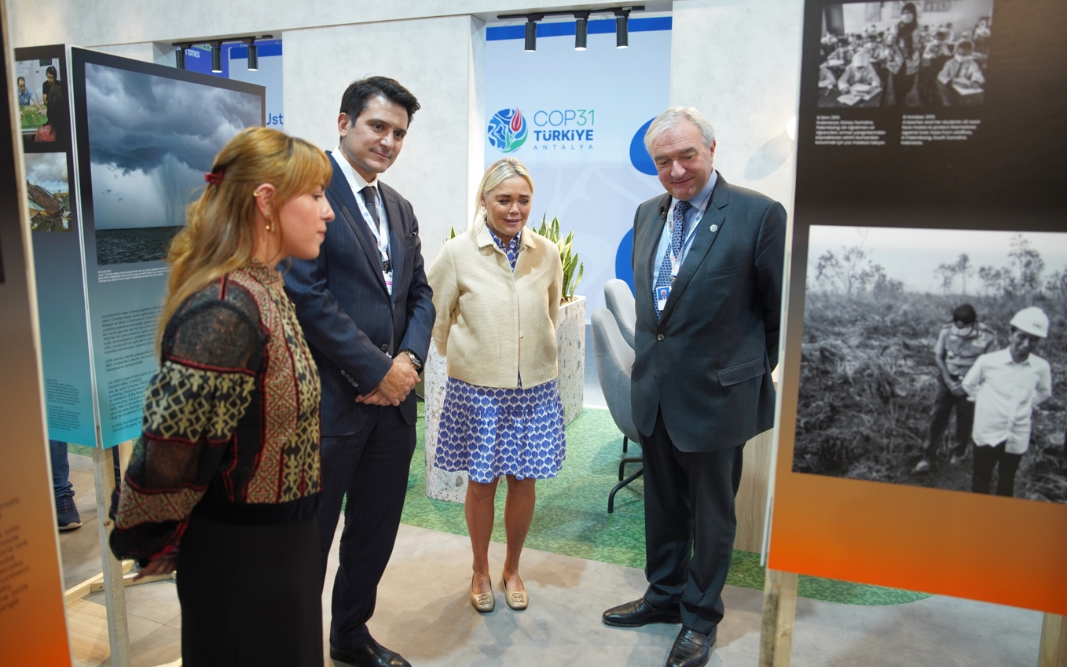
Featuring award-winning photo stories from the 21st century, selected from the World Press Photo Contest archive, the exhibition documents how the climate crisis is transforming different parts of the world. Structured around the four elements of earth, air, fire, and water, “Down to Earth” explores both the devastating effects of climate change on nature and human life and the ways people are adapting to and tackling the crisis.
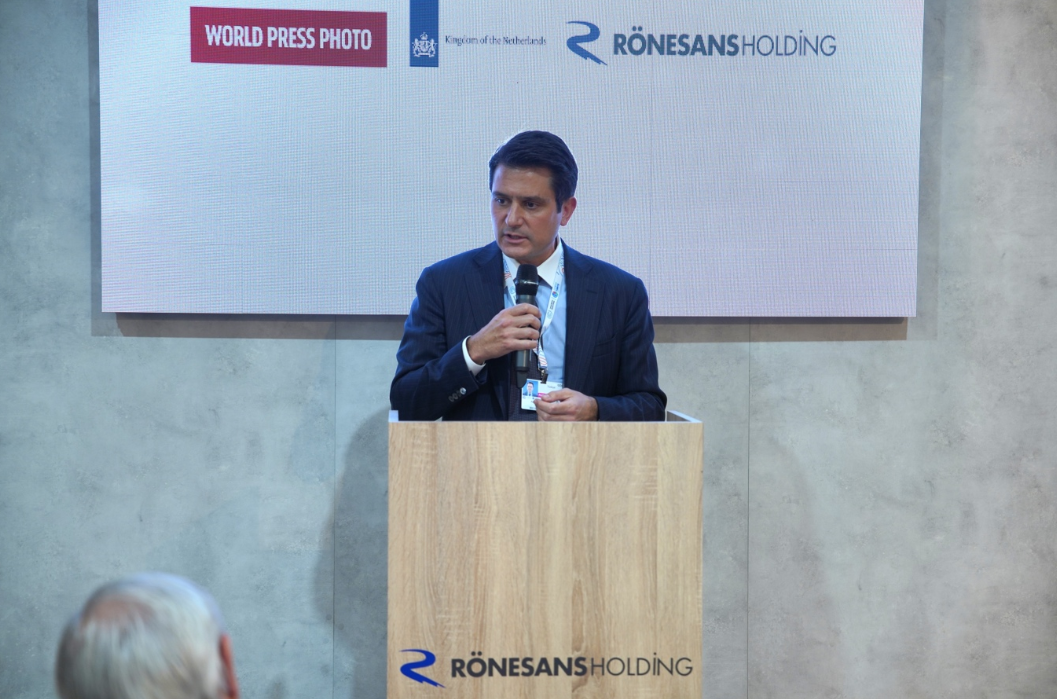
“We Must Design Infrastructure for the Most Challenging Days”
Speaking at the exhibition’s opening, Atilla Kemal Sağlam, CEO of Rönesans Altyapı, highlighted the connection between the human stories captured in the photographs and the resilience of infrastructure: “Every photograph in this exhibition captures a single moment. Infrastructure, however, supports people for years before and after that moment. Infrastructure rarely makes the news when everything is working as it should. It comes into focus when it is tested by floods or earthquakes. In these photographs, we see the people first. Look a little closer, and we see the infrastructure too. A road that has become impassable, a bridge still standing, a hospital that has kept its doors open… Whether that hospital can continue to provide care when people need it most is largely determined at the design stage, years before the photograph is taken. At COP31, we talk about tonnes, degrees and gigawatts. A powerful photograph shows us what those figures mean for people’s lives, in their neighborhoods, streets and homes.”Sağlam went on to discuss the role of infrastructure in a sustainable future, emphasising the importance of preparing for extreme conditions, upgrading existing assets and planning for the long term: “The real test of a hospital, road or power line comes when it must continue to operate under extraordinary circumstances. During the 2023 earthquakes, our city hospitals in Adana and Elazığ remained operational, with Adana City Hospital also serving as a coordination centre. Those days showed us that we must design infrastructure for extraordinary circumstances, not just everyday conditions. An earthquake is not a climate event, but it raises the same question that climate change now poses for every project: Will services continue? Will a hospital remain operational during a flood, extreme heat or a power cut? That is what resilience means to us.”
Sağlam also stressed that upgrading existing infrastructure is just as important as investing in new projects: “When done properly, upgrading existing infrastructure is one of the most effective ways to reduce carbon emissions and adapt to a changing climate. Infrastructure serves communities for decades, so we need to plan with the same long-term perspective. In Arnhem, the Netherlands, our Dutch subsidiary Ballast Nedam and its partners have reinforced approximately 1.2 kilometres of flood defences along the River Rhine, designed to remain resilient for the next 100 years. Every investment must be planned with local risks in mind, whether flooding, drought or extreme heat. We design, finance, build and operate infrastructure, so we live with the consequences of our decisions for many years. For us, the real test of a project begins years after the opening ceremony.”
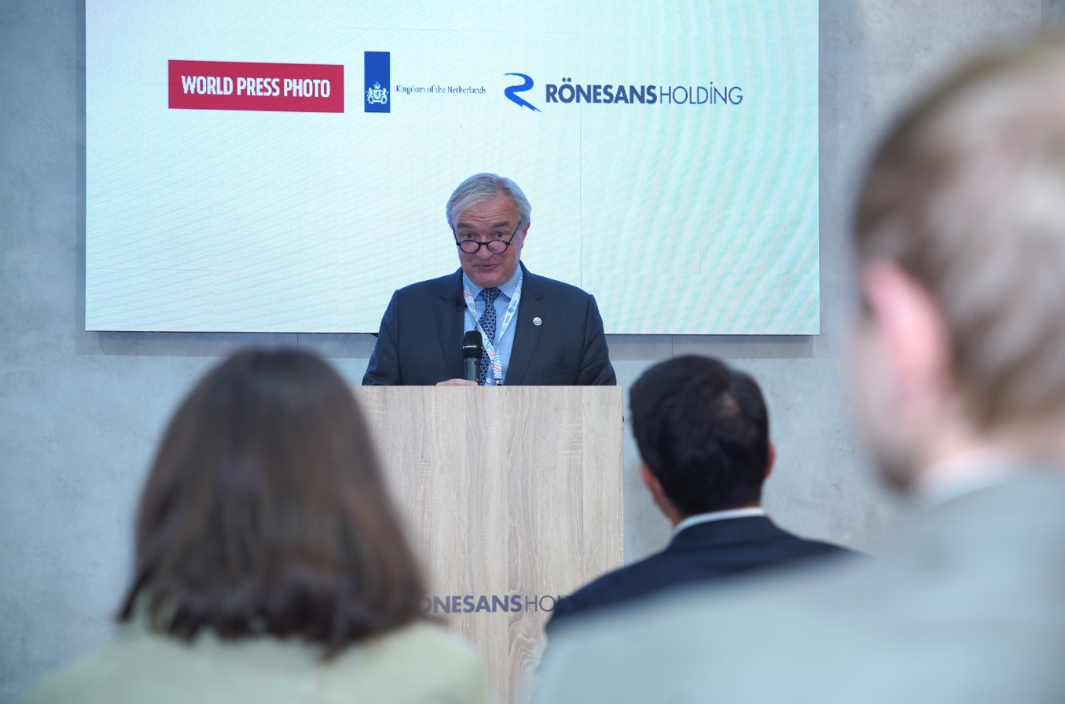
“We Must Not Underestimate People’s Ability to Find Solutions”
Hanno Wurzner, Deputy Ambassador of the Kingdom of the Netherlands, emphasised the importance of keeping the stories of people affected by climate change at the forefront of discussions on climate policy: “Scientific research helps us understand the scale of the challenge we face. But the stories of those affected by climate change often bring its consequences home to us. ‘Down to Earth’ explores both the climate crisis and the resilience and adaptation efforts of those affected by it. By bringing the human stories behind the headlines into focus, World Press Photo reminds us why the discussions at COP31 matter. Developed in collaboration with the Dutch Ministry of Foreign Affairs in 2023, the exhibition has travelled around the world ever since. Following its presentation at COP30 last year, we are proud to bring it to COP31 in Antalya. These photographs remind us that we must never underestimate either the seriousness of climate change or people’s ability to find solutions to the challenges it presents.”
The Global Impact of the Climate Crisis Captured in Photographs
The first section of the exhibition focuses on the regions most severely affected by climate change and the stories of the people who live there. It explores the environmental impact of fossil fuel extraction, deforestation, industrial agriculture, and waste accumulation, alongside the consequences of global warming, including melting glaciers, thawing permafrost, rising sea levels, extreme weather events, wildfires, and drought.Powerful photographic stories from around the world reveal how the climate crisis poses a global threat, directly affecting people’s homes, livelihoods and the sustainability of natural ecosystems.
Solutions to the Climate Crisis Also Featured in the Exhibition
Alongside the challenges posed by the climate crisis, “Down to Earth” highlights the efforts of researchers and communities working to find solutions worldwide. The second section of the exhibition explores alternative energy sources, small-scale engineering projects to protect glaciers, innovative solutions to combat hunger and initiatives to conserve nature. The exhibition also highlights efforts to reintroduce endangered species into their natural habitats. The photographic stories also document how Indigenous communities draw on traditional knowledge to protect their lands, natural resources, and habitats for future generations.