



The Netherlands finds itself at a defining crossroads, caught between an urgent need for homes and an unwavering commitment to meeting climate targets. With a housing shortfall now reaching around 410,000 units, an entire generation finds their life plans on hold. Yet this crisis coincides with ambitious climate goals that are reshaping traditional construction methods. For a nation long defined by its mastery over water and land, the challenge is clear: build smarter, faster and with lower environmental impact.
The urgency has been amplified by an accelerating energy transition. The 2023 closure of the vast Groningen gas field, reinforcing an existing policy shift away from natural gas, combined with broader EU policies aimed at reducing carbon emissions, has triggered a nationwide shift to electricity that has dramatically outpaced infrastructure development. Today, around 14,000 businesses, public institutions and housing developments languish on waiting lists for grid connections, a bottleneck that stalls not just individual projects, but the creation of entire communities.
Rather than view this as an impossible equation, a quiet revolution is reshaping Dutch construction. Industry pioneers are treating the housing shortage, climate goals and grid constraints as interconnected pieces of a single puzzle, one that demands innovation, not compromise.
Factory-made futures
The answer begins in factories, where modular construction is rewriting the rules. High-quality homes are precision-built away from weather delays, designed to reduce operational energy use and minimise material waste.The Waldorp Four project in The Hague serves as a flagship for this model. With the building rising 70 meters with 1,171 modular units, it demonstrates that modularity is no longer confined to temporary structures but is a viable answer to high-density urban requirements. By reusing and recycling materials and increasing the use of biobased and lower-emission alternatives, this project improves resource efficiency and reduces construction waste. These approaches are part of wider efforts across the sector to reduce the environmental impact of construction.
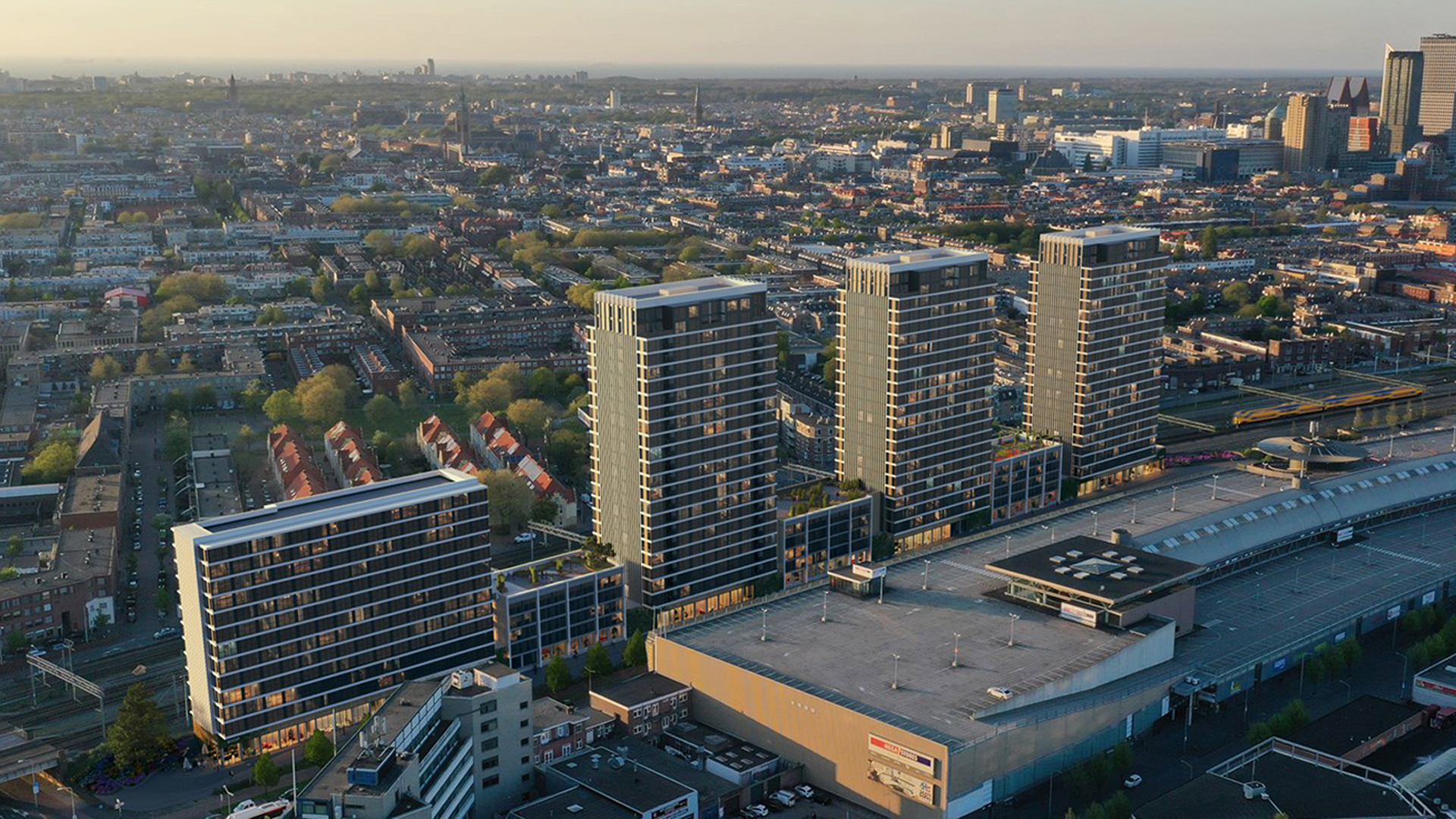
Waldorp Four Project by Ballast Nedam, Rönesans Holding
The modular construction revolution is addressing issues with student accommodation in the Netherlands, too. “The challenge in student housing is significant and affects many students. That is precisely why close collaboration is essential,” shares Anneleen Lagae, Director of DUWO. “Modular construction helps us to deliver affordable homes more quickly.”
By shifting to a digitised factory process, as used in the Laan van Spartaan development, construction timelines are being compressed from years to months, with the capacity to deliver four high-quality modules per day.
Innovation in action
A key player in this integrated approach is Ballast Nedam, the Dutch subsidiary of Rönesans Holding. The company’s recent trajectory mirrors the theme of national renewal. After facing significant financial challenges, a strategic restructuring following its acquisition provided the stability needed for a new chapter. Reducing emissions and increasing material reuse have become growing areas of focus within that strategy. The company states that it reduced CO2 emissions by 64 per cent in 2025 compared with 2019 levels, and has set targets aimed at reducing emissions at construction sites by 2030, reducing operational energy demand by 2040, and limiting the use of new raw materials wherever reuse and bio-based alternatives are viable.This approach extends to the Netherlands’ perpetual challenge with water. In flood-prone Arnhem, new water defence systems deploy electric construction equipment to reduce on-site emissions compared to diesel-powered machinery, while prioritising material reuse as a way to limit the use of more carbon-intensive materials. The result is that communities are protected through engineering designed to minimise disruption to the local ecosystem.
Today, the company exemplifies this forward-thinking mindset. By developing energy infrastructure, including local electricity networks and on-site power systems, they are helping to address grid constraints while supporting increased energy capacity. It’s construction that aims to address housing demand while supporting the transition to lower-emission energy systems.
“When facing challenges of this scale, it’s not about making drastic changes overnight,” observes Erman Ilıcak, President Emeritus of Rönesans Holding. “It’s about reinforcing foundations, preserving what works, investing in our people and local partners, and building on innovation to create resilient long-term solutions. We did not alter Ballast Nedam’s core operations; we simply enhanced them with a new perspective and organisational structure.”

Erman Ilicak, President Emeritus of Rönesans Holding
The expertise honed through projects like these is already informing Rönesans’ global strategy, supporting a framework focused on long-term financial investment, including a $10bn reinvestment into Türkiye.
A new blueprint
The Dutch model suggests that the answer to a crisis can also be a catalyst for transformation. This is embodied by Eleven Square, a landmark mixed-use development in Amsterdam. 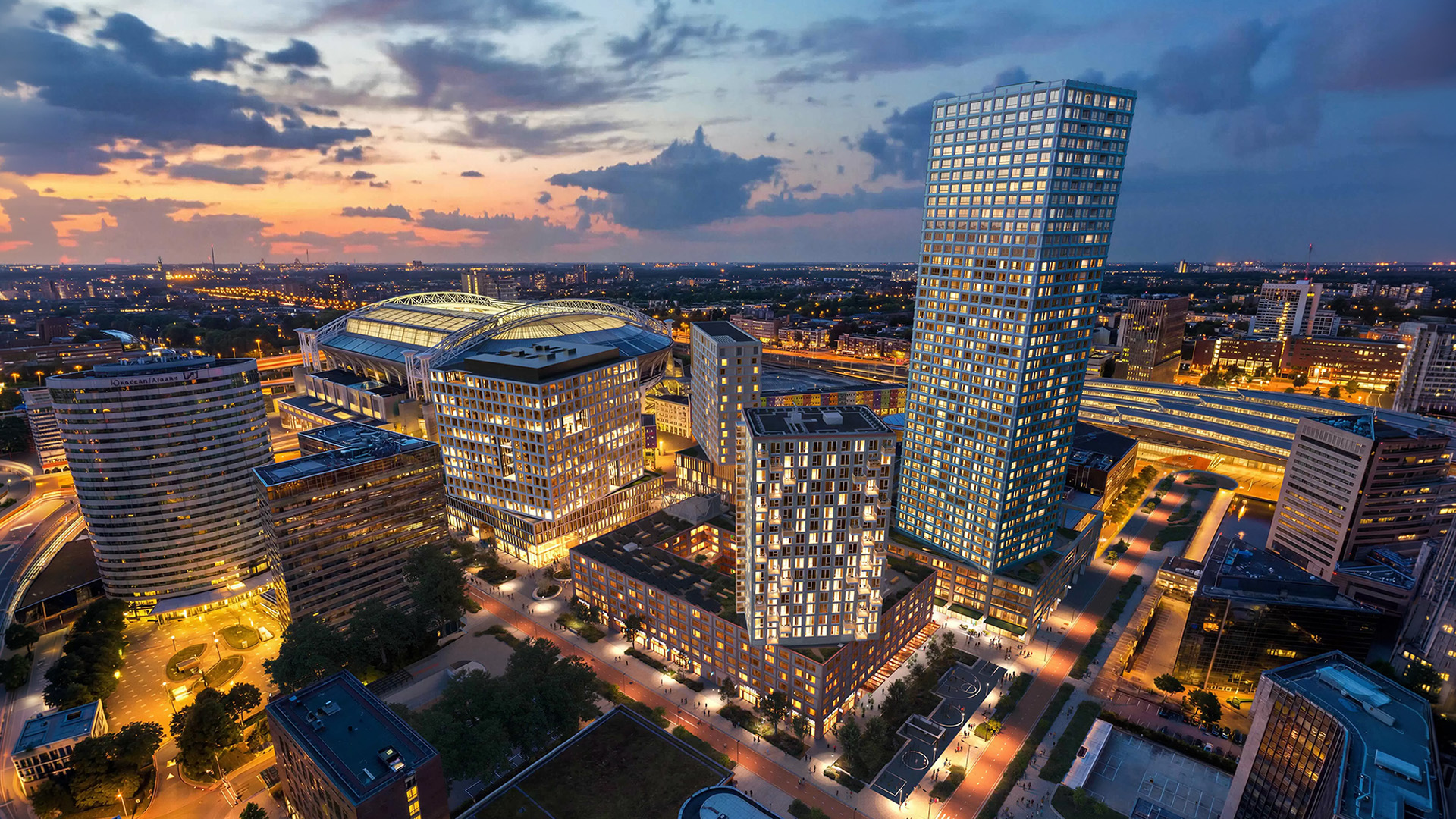
Eleven Square by Ballast Nedam, Rönesans Holding
Spanning four architecturally distinct buildings – including Eleven Home, set to become the tallest residential tower in Amsterdam – the development will bring nearly 700 apartments, over 400 student studios and a range of community amenities to one of the city’s most connected locations. By seeking to balance speed with environmental considerations, the Netherlands, and the partnerships driving its infrastructure, highlights how pressing global challenges can help drive innovation.
Source: Financial Times, “A new blueprint for solving the Netherlands’ housing crisis” — https://www.ft.com/content/cc94bc85-bb3f-4c68-9a5b-a70230774b97